

The Floating Oasis Reimagining Jakarta’s Coast
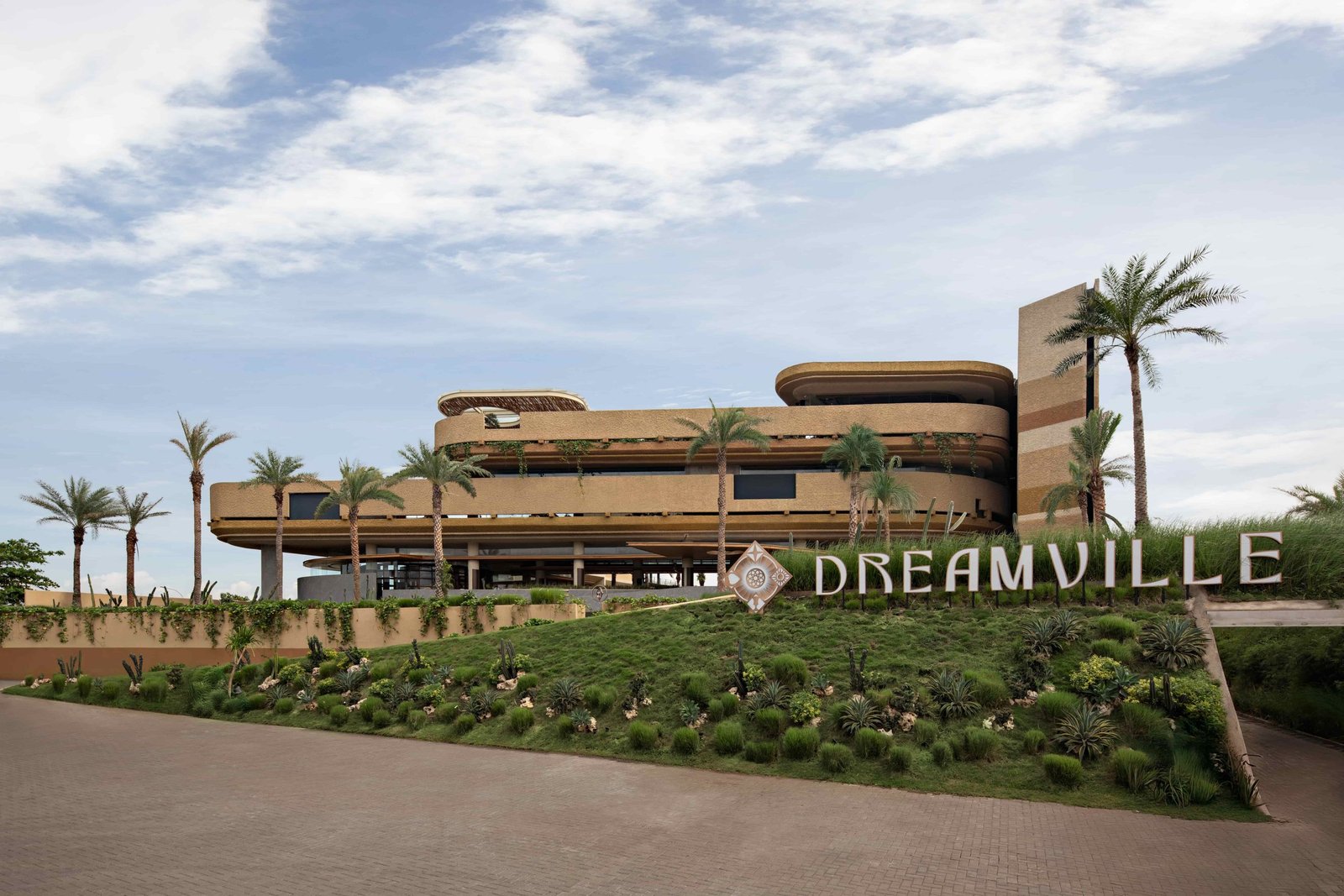
Poised along the white sands of North Jakarta’s coastline, the 9,800 m² Unidentified Floating Oasis (UFO) emerges as a contemporary reimagination of public beachside space, a gesture from the ocean to the urban fringe. With a graceful arc, this floating structure introduces a new rhythm to Jakarta’s northern waterfront, weaving hospitality and leisure into a layered, slow-living experience.
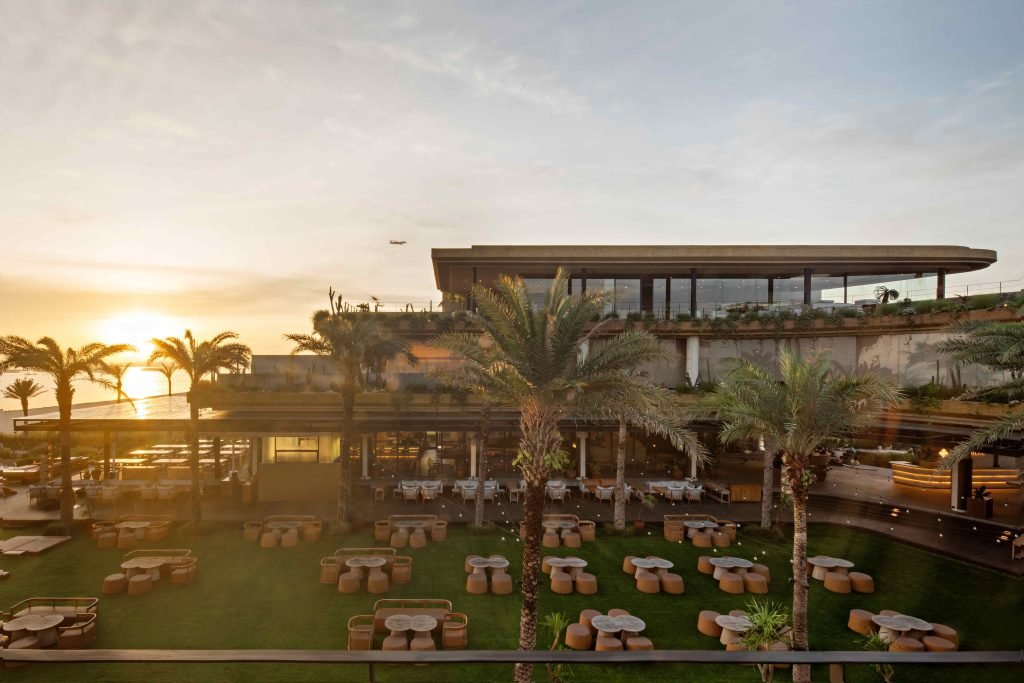
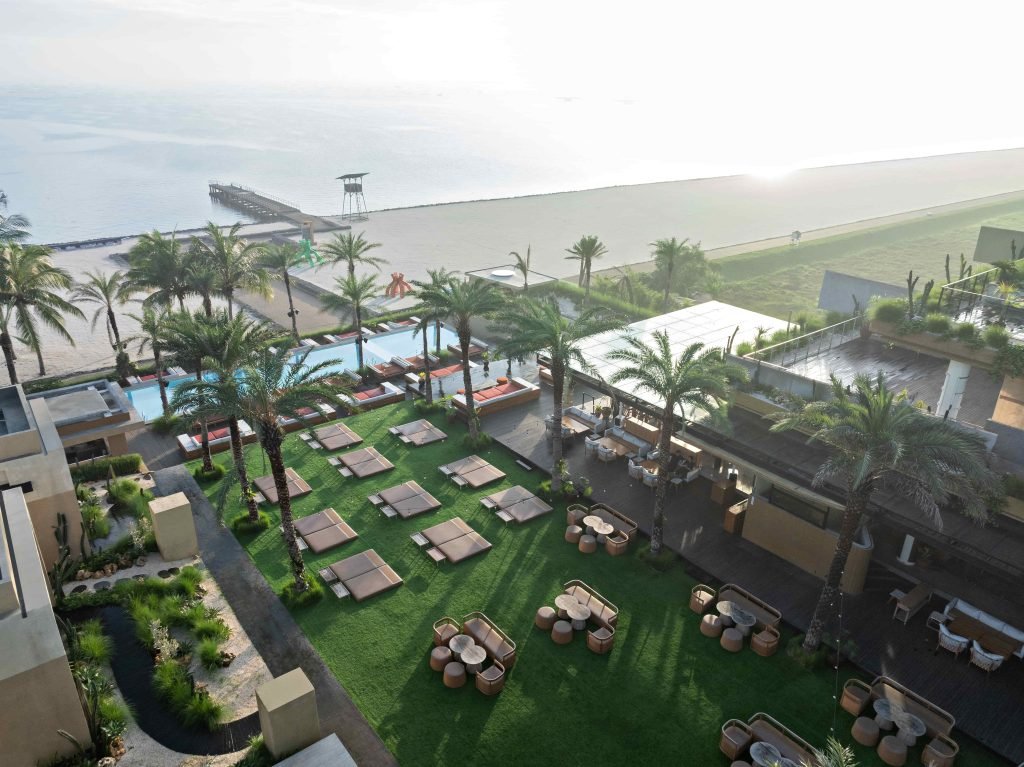
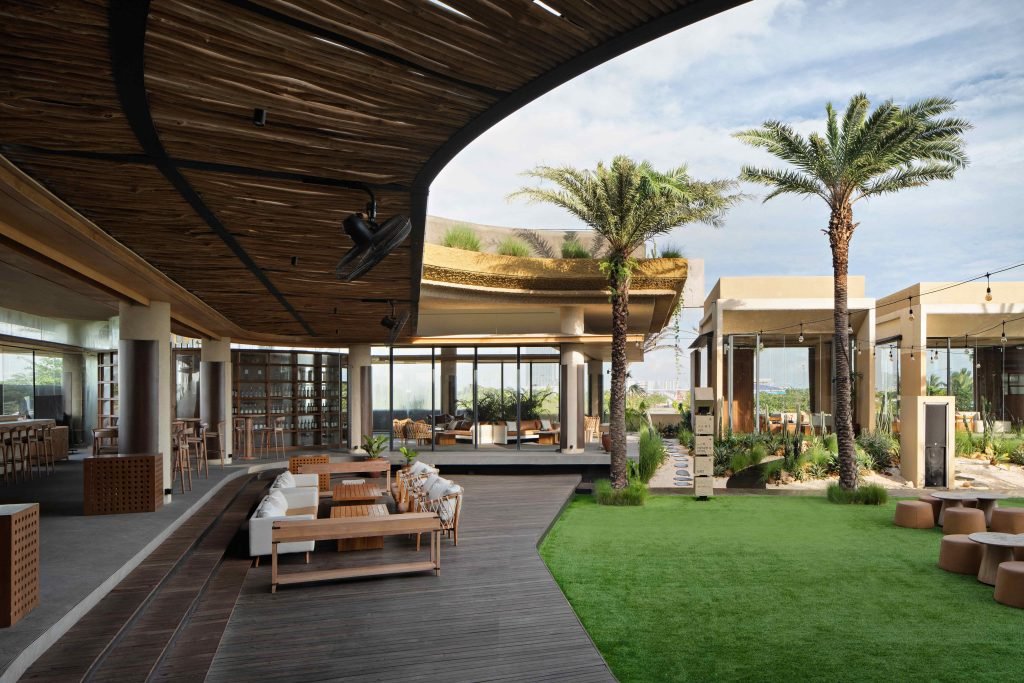
The UFO rises as a sculpted form, hovering above ground and encircling a sunlit courtyard designed for public interaction. Above, restaurants and hospitality spaces float effortlessly, while the open ground level transforms into a civic stage, adaptable for daily use and ready to host performances or large-scale events. A series of ramps and staircases guide visitors fluidly between land, structure, and sea.
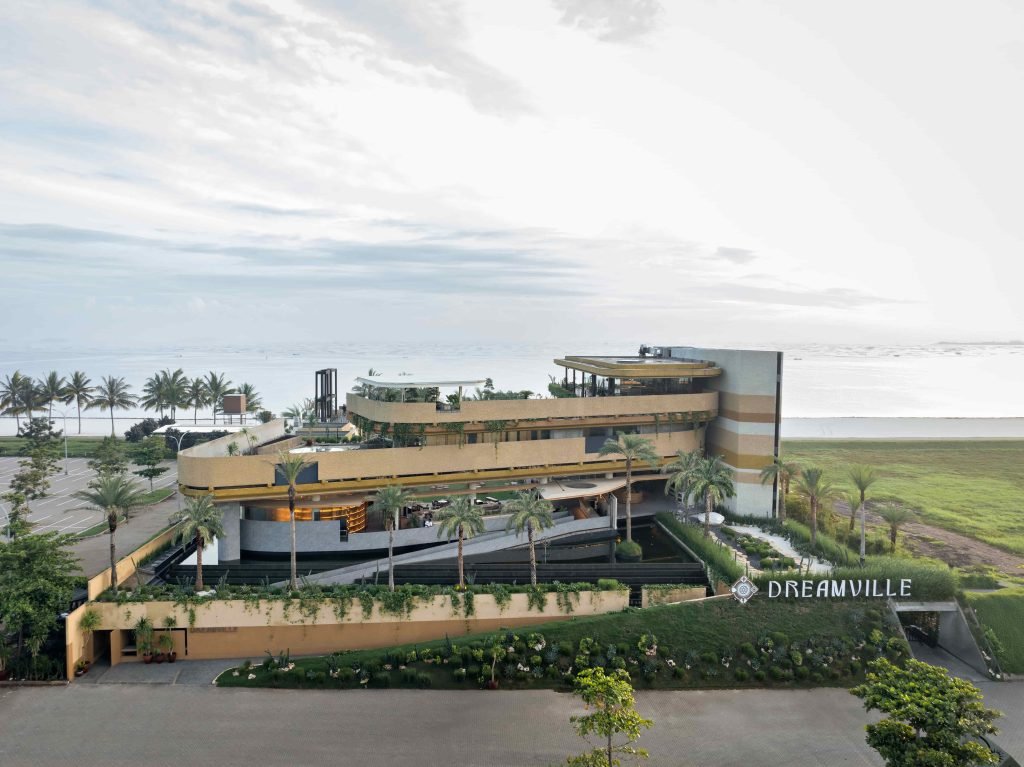
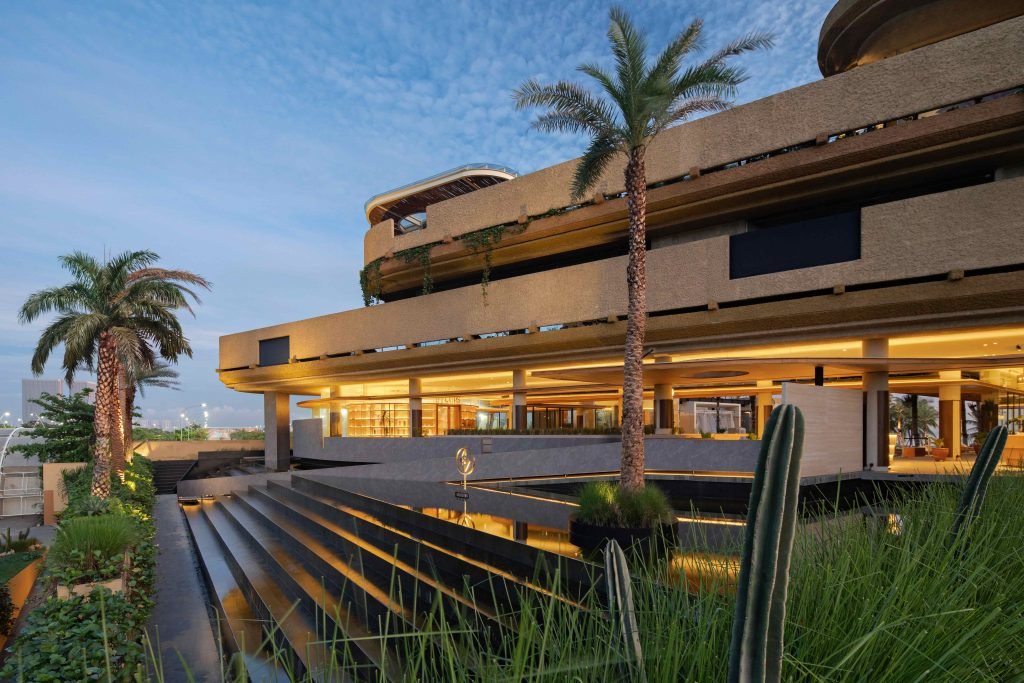
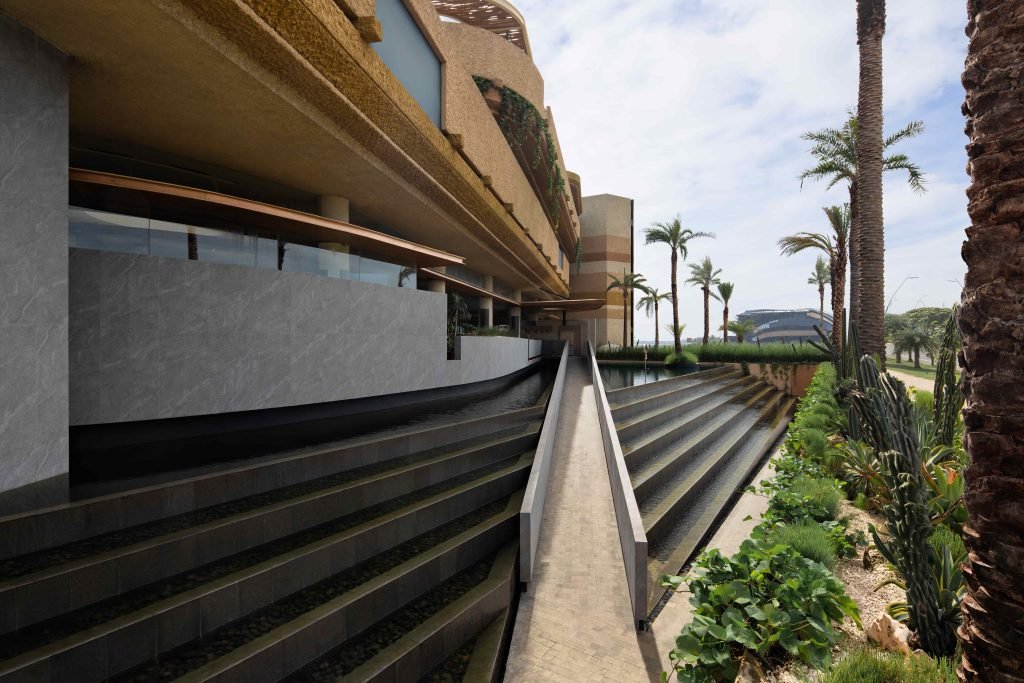
Arrival is marked by a cascading entry pond, a cooling, reflective element that tempers the microclimate and sets a contemplative tone. Within, the open-air lobby dissolves boundaries between interior and exterior, anchored by a sculptural travertine reception desk by Arti Studio, echoing both the arc of the structure and the texture of coastal sand.
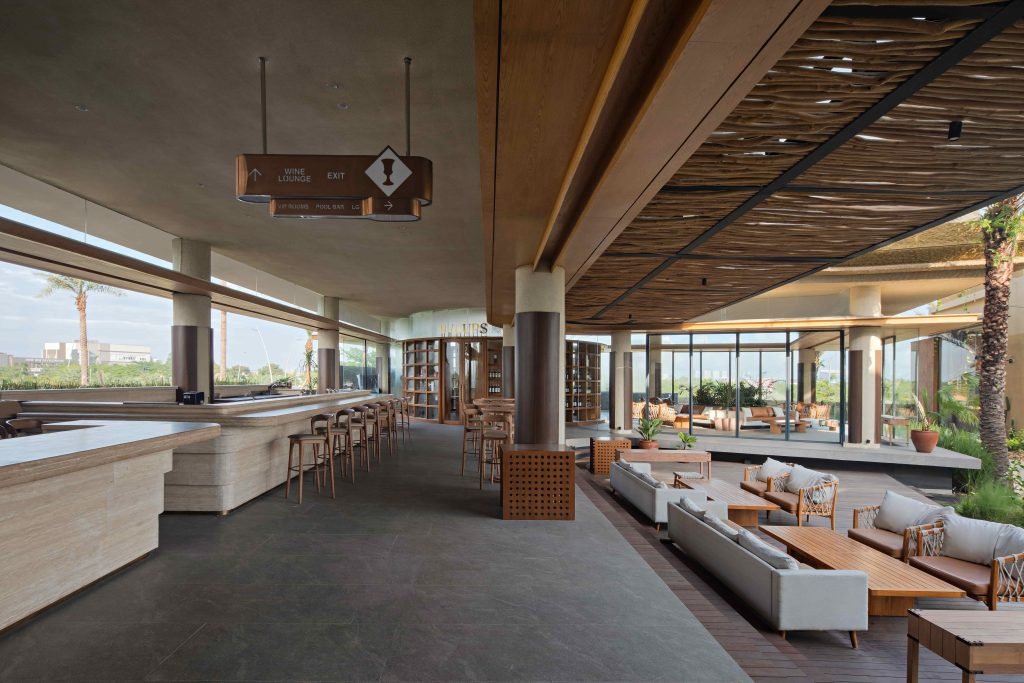
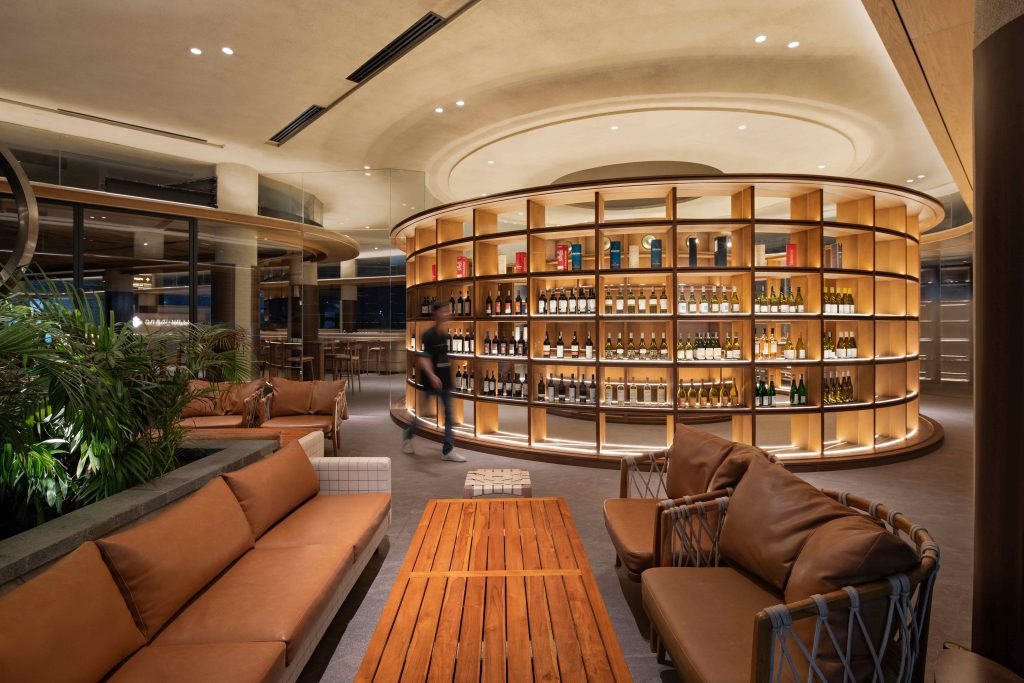
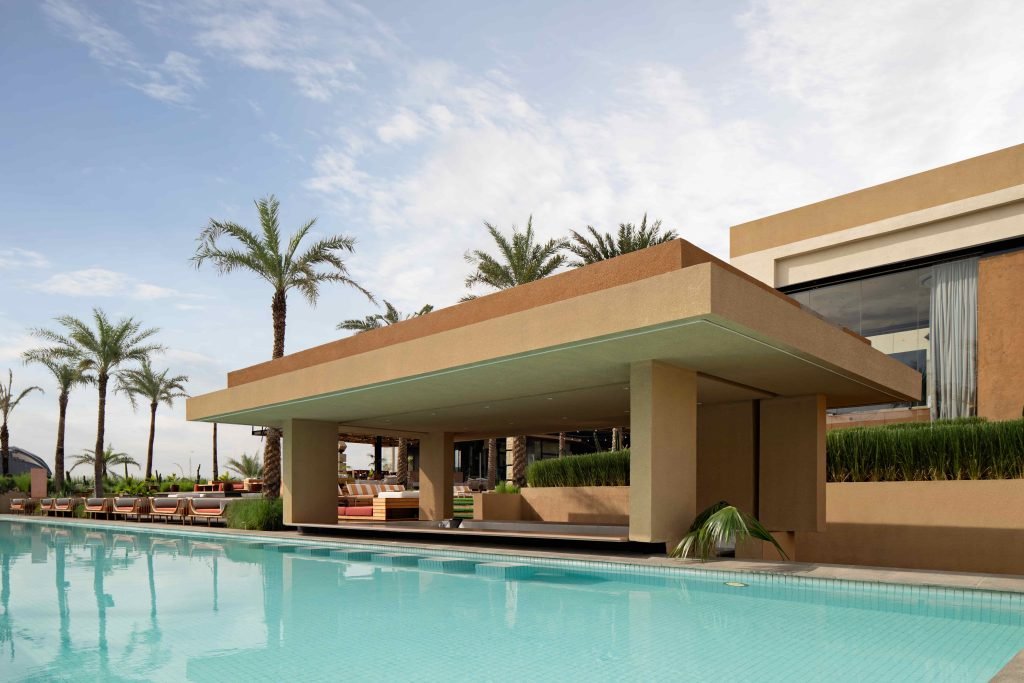
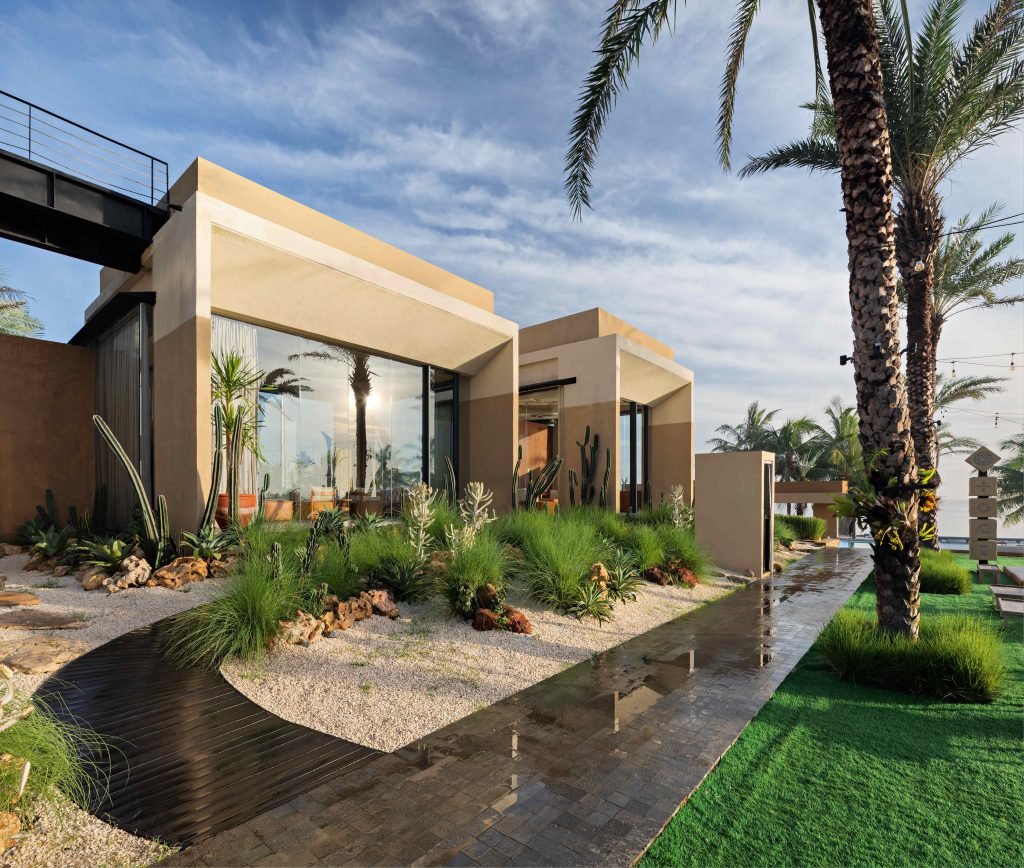
From here, guests may wander into a circular wine shop, which subtly hides access to an underground bar to an underground bar or choose between a shaded indoor restaurant and an open-air lounge. At the heart lies the courtyard, directing movement toward an infinity pool with a sunken pool bar and submerged deck. Four private pavilions offer moments of retreat, while a rooftop sunken lounge presents elevated views of the courtyard and bay.
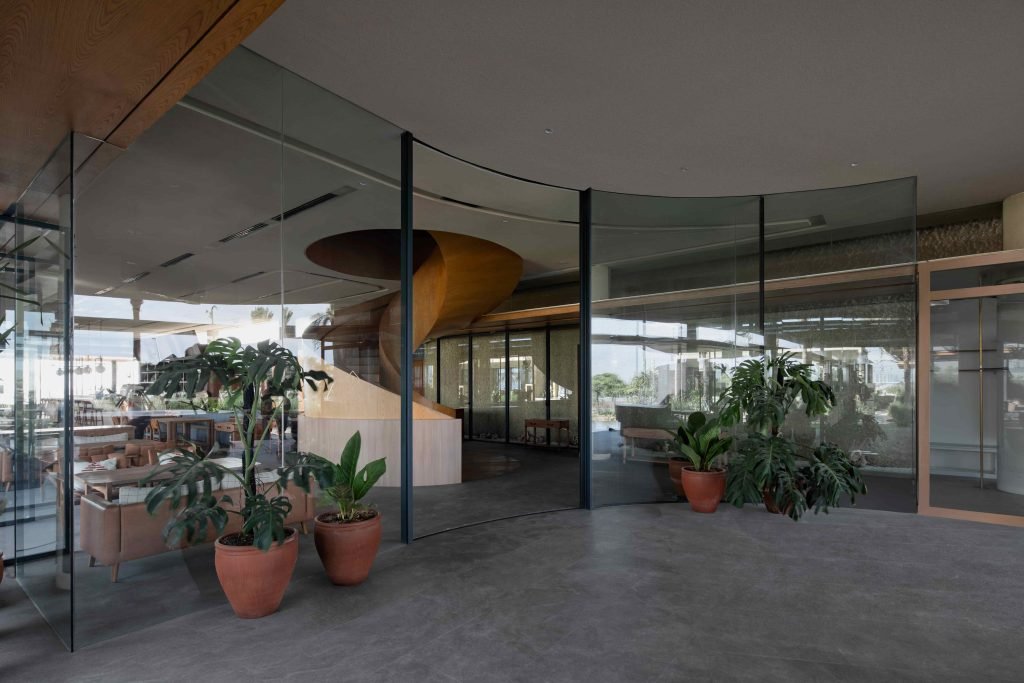
Ascending through the structure, guests encounter diverse dining settings, each with private terraces and panoramic vistas. Crowning the arc, a rooftop bar offers uninterrupted views of Jakarta Bay.
Materials have been chosen with climate and context in mind. Custom concrete stucco panels create a porous, breathable skin that balances privacy and daylight. Pathways are grounded with locally sourced Java stone, while the soft, luminous tones of raw Sumbanese stone slate harmonize the architecture with its coastal surroundings.
More than a beach club, the UFO proposes a new paradigm for coastal architecture — fluid in form, rooted in place, and intimately connected to its community.